Is Pompano Beach on your short list for new construction? You are not alone. The city is investing in its beachfront, pier district, and key corridors, and that is drawing serious developer attention. In this guide, you will learn what types of projects are moving forward, how to read approval timelines, and what price and amenity trends to expect so you can make confident decisions. Let’s dive in.
Why Pompano Beach is heating up
Pompano Beach sits in a high‑demand Broward County corridor with steady in‑migration and interest from U.S. and international buyers. Activity clusters along the coastline and Intracoastal, as well as near walkable hubs with dining and entertainment. Public efforts around the pier, amphitheater, and streetscape improvements are helping anchor future mixed‑use plans.
Local policy and zoning overlays near A1A, Atlantic Boulevard, and Federal Highway encourage higher density and mixed uses. You can expect more vertical living where services, dining, and the beach are close by. Coastal resiliency and elevation rules are also shaping design and insurance needs, which adds a layer of quality and planning to ocean‑area projects.
CRA investments and impact
The city and its Community Redevelopment Agency have upgraded public spaces that frame the next wave of private development. These investments tend to support higher‑end condos, marina‑oriented homes, and mid‑rise mixed‑use buildings. For buyers, this often means stronger amenity packages and improved walkability.
Where growth concentrates
- Beachfront and A1A: luxury oceanfront condos with resort services.
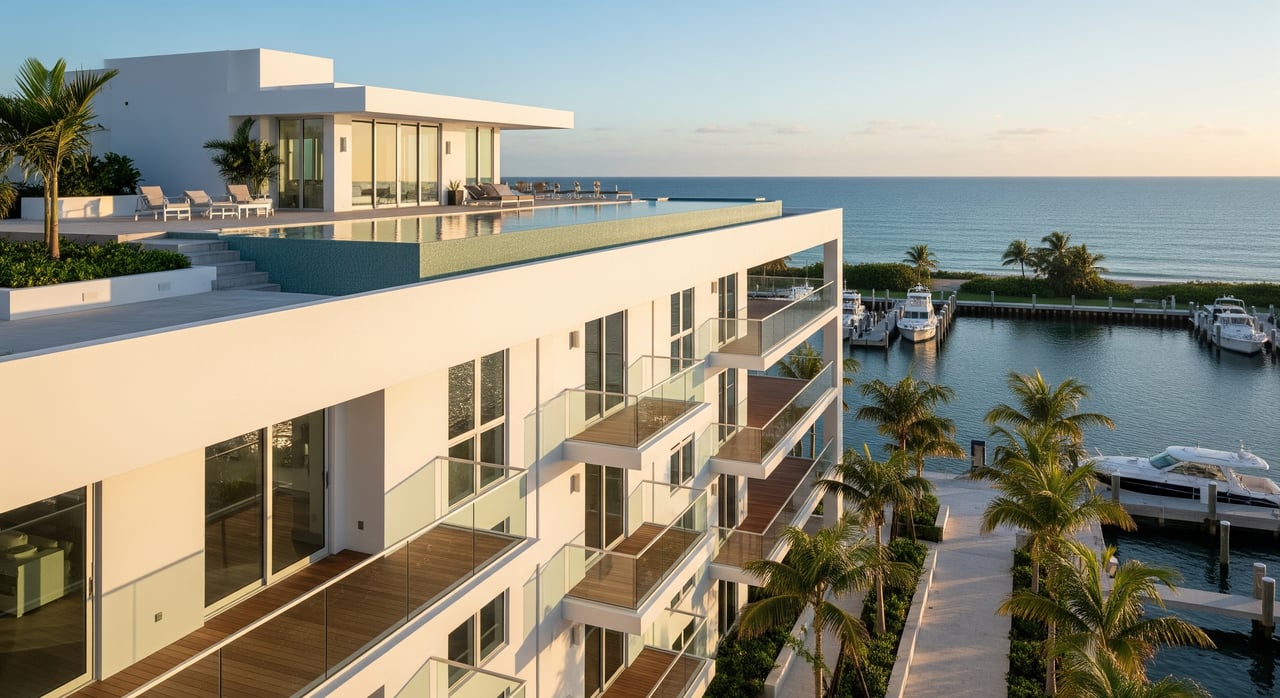
- Intracoastal and marinas: condo and townhome communities with boat access.
- Downtown and key corridors: mid‑rise mixed‑use rentals and condos with ground‑floor retail.
- Inland neighborhoods: infill townhomes and new single‑family homes at more attainable price points than the beach.
What’s coming next: product types to watch
Beachfront luxury condominiums
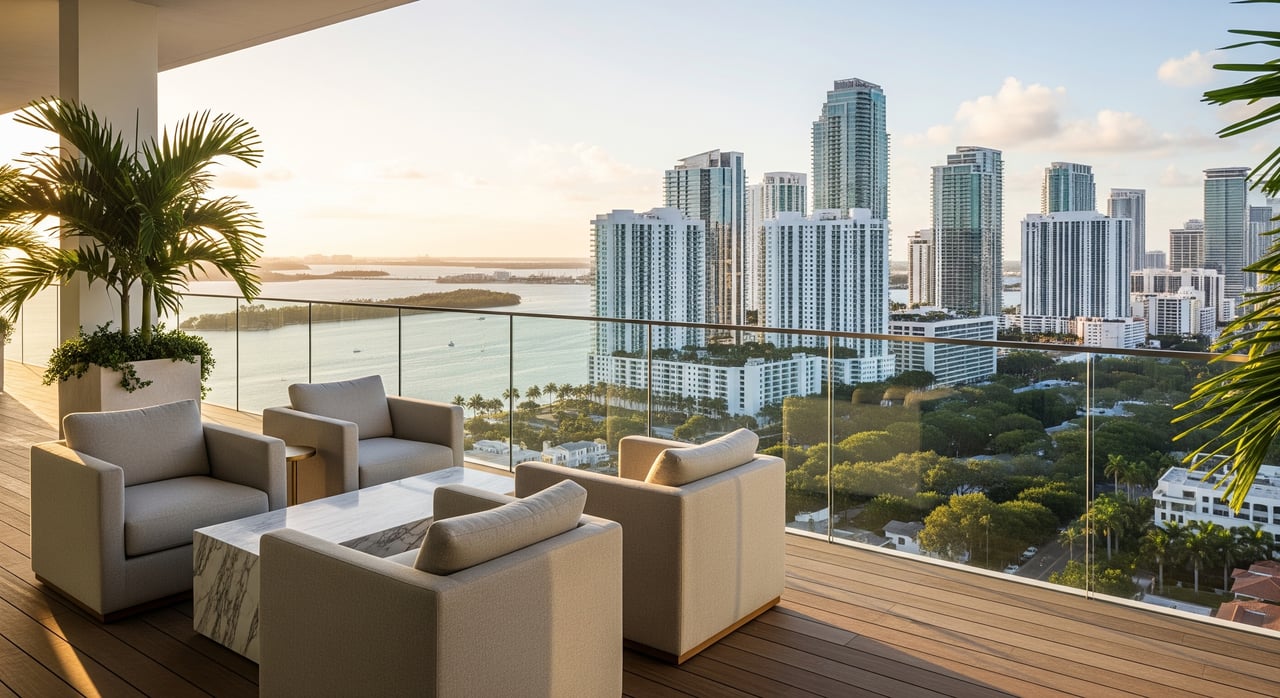
Expect full‑service towers with valet, concierge, spa, multiple pools, sky lounges, and private elevator access. Balconies are larger, finishes are premium, and covered parking is common. These buildings appeal to second‑home buyers and design‑forward homeowners who value service and views.
Risks to monitor include coastal setbacks, FEMA elevation rules, and rising insurance costs. Construction timelines for large towers can span several years once permits are issued.
Intracoastal and marina residences
Smaller‑scale condo buildings and townhomes along the water often include marina slips or nearby dockage. Amenities can include wet slips, boat lifts, and boat storage, plus waterfront dining tie‑ins. If a slip is deeded or privately controlled, that can add meaningful value.
Downtown mixed‑use and mid‑rise multifamily
Mid‑rise buildings near retail and entertainment combine residential with ground‑floor shops and services. Amenities often include fitness studios, pool decks, coworking, and bike storage. These homes cater to year‑round residents and downsizers seeking convenience and lifestyle.
New rental apartments
Developers are active in market‑rate and workforce rentals. Expect package concierge, pet amenities, and resident lounges in addition to fitness and pool spaces. Some sites can pivot between condo and rental depending on presales and financing conditions.
Infill single‑family and townhomes
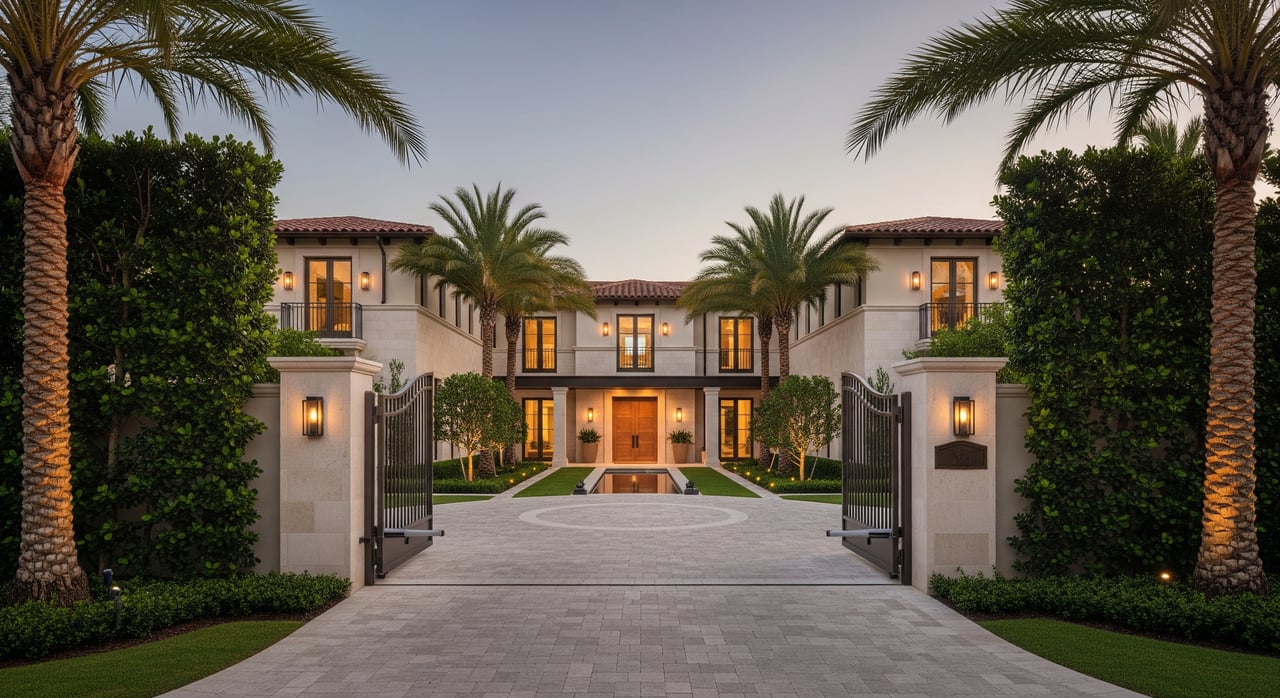
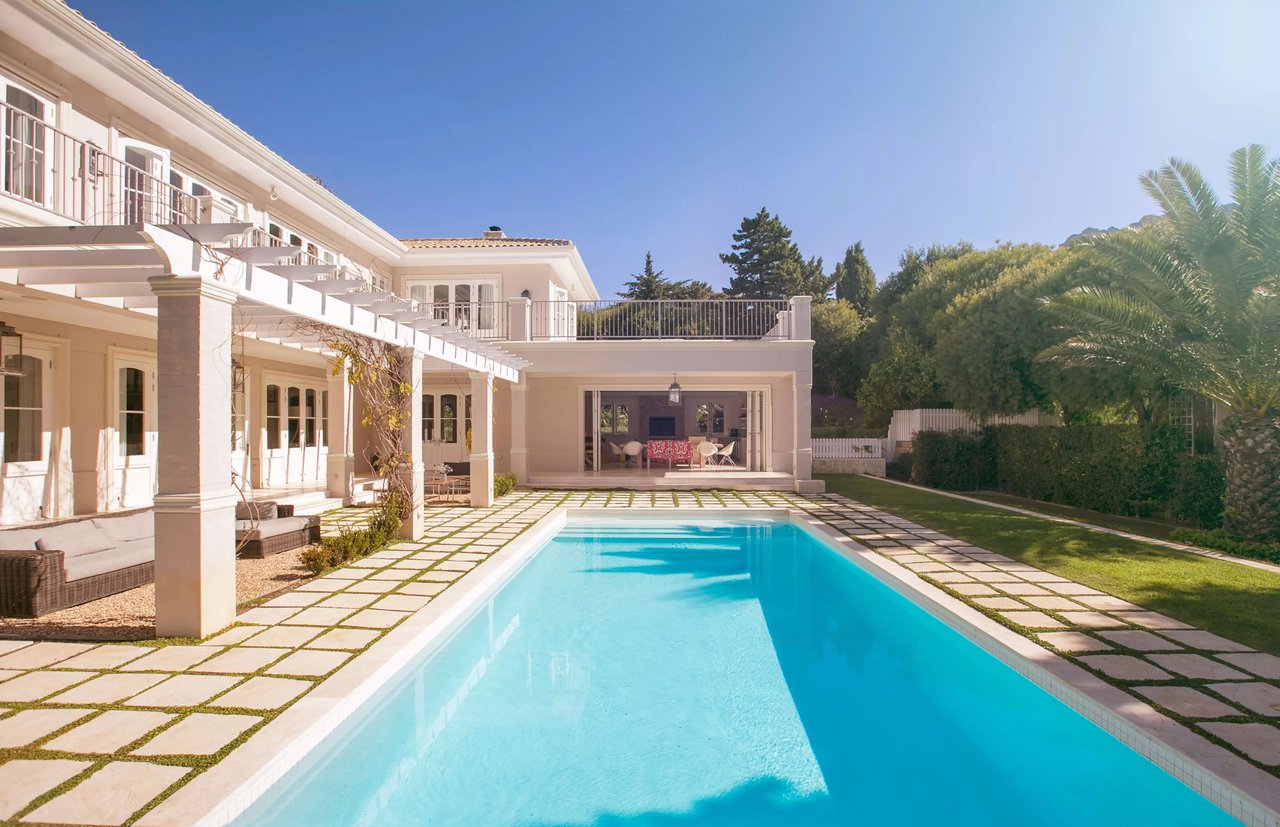
Smaller infill communities bring new‑construction options inland from the beach. You will see 2 to 4 bedroom townhomes and select single‑family homes with modern layouts and attached garages. These products often deliver new construction at lower prices than the waterfront.
Approvals and timelines: how to read “approved”
Project status labels can be confusing. Before you commit, confirm exactly which approvals a development has secured and what comes next. Each step has its own timeline and risk profile.
Typical stages and timing
- Pre‑application and concept meetings: early feedback with city staff. Timing varies.
- Planning and Zoning submittal and site plan review: initial review can take 1 to 3 months, with additional cycles for revisions.
- Planning Board hearings: public notices and recommendations often occur over 1 to 2 months.
- City Commission approvals: rezonings, planned unit developments, and development agreements can require multiple hearings.
- Building permits: structural and systems plan review may take 2 to 9 months or more depending on scope.
- Construction: permit issuance to completion can span 2 to 4 years for high‑rise towers.
- Sales and leasing: condo presales often start after approvals but before final permits. Rentals lease after certificates of occupancy.
Tip: When you see “approved,” ask whether it refers to site plan approval, rezoning approval, building permit issuance, or only a conceptual nod. Each stage reduces risk in different ways.
Coastal permitting essentials
Ocean‑area projects also navigate CCCL permits and environmental reviews, plus seawall and dredge or fill permissions where marinas are involved. Flood elevation requirements influence design and insurance. These factors may affect timelines and carrying costs, which matter for both buyers and investors.
Price and amenity guide for current‑era builds
All figures below reflect Broward patterns through mid‑2024 and can shift with location, view, services, and market conditions. Use them as a framework while you confirm current pricing with active sales teams.
Beachfront luxury condos
- Typical sizes: 1 bedroom 700 to 1,100 square feet, 2 bedrooms 1,200 to 1,800 square feet, 3 bedrooms 1,800 to 4,500 plus.
- Amenities: private beach access, multiple resort pools, spa and sauna, concierge and valet, private elevators, high‑end fitness, wine storage, covered parking.
- Price bands: smaller units in some communities have started in the mid‑six figures, with many oceanfront two and three bedroom offerings more commonly in the low to mid seven figures.
Intracoastal and marina product
- Scale: condo residences and townhomes, often with garage parking and a marina component.
- Amenities: wet slips, boat lifts, marina services, waterfront dining.
- Price bands: generally below direct oceanfront yet above inland mid‑market. Slips add a premium, especially if deeded.
Mid‑market condos and mixed‑use
- Sizes: 1 bedroom 650 to 1,000 square feet, 2 bedrooms 900 to 1,400 square feet.
- Amenities: pool, gym, business center, rooftop deck. HOA fees may be lower than resort‑style towers.
- Price bands: commonly in the low to mid six figures depending on location and finishes.
New townhomes and single‑family
- Product: 2 to 4 bedroom townhomes and select single‑family infill homes.
- Price bands: smaller new townhomes can start in the mid‑$400,000 to $600,000 range in some Broward neighborhoods, with larger or luxury homes reaching seven figures.
New rental apartments
- Unit mix: studios to 3 bedrooms with amenities geared to daily living.
- Rents: broad ranges through mid‑2024 include studios and 1 bedrooms roughly $1,500 to $2,500, 2 bedrooms $2,200 to $3,500, and 3 bedrooms $2,800 to $4,500 depending on micro‑location and amenity set.
How to verify a project in Pompano Beach
You can validate status and de‑risk a purchase by combining civic records with on‑the‑ground checks. Focus on the last 12 to 24 months for the freshest data.
Public portals to check
- City of Pompano Beach Planning and Zoning Board agendas and minutes for site plan decisions.
- City Commission agendas and minutes for rezonings and development agreements.
- City and Broward County building permit portals for permit numbers, valuation, and review status.
- Pompano Beach CRA pages and press updates for redevelopment initiatives.
- Florida Department of Environmental Protection and U.S. Army Corps for coastal and marina‑related permits.
- Broward County Property Appraiser and Clerk records for ownership, plats, and recorded agreements.
- Sunbiz (Florida Division of Corporations) to confirm the developer entity and officers.
Quick search strategy
- Pull recent Planning and Zoning and Commission agendas to build a project list by address and application number.
- Search the county permit portal by address for building and trade permits with high valuations.
- Cross‑reference developer names on Sunbiz and check county records for recorded agreements.
- Review local business media to track announcements and financing updates, then confirm details in city records.
- Visit sites to verify active construction, signage, and posted permit cards.
Buyer checklist for presales
- Confirm exact approvals: site plan, rezoning, and building permit status in writing.
- Review the condo prospectus and offering documents for timelines, deposits, and cancellation terms.
- Verify parking counts, storage, and any boat slip allocations in your contract.
- Ask about flood elevation of living spaces and estimated insurance costs.
- Understand the developer’s presale targets required by lenders and current presale percentages.
Investor watchlist metrics
- Entitlement milestones and permit issuance as key de‑risking events.
- Presale velocity for condos or pre‑leasing for rentals.
- Construction financing commitments, public incentives, or recorded development agreements.
- Expected delivery window and stabilization assumptions for rental projects.
- Local policy context. Florida does not have statewide rent control, but monitor any local rules and policy shifts.
Next steps and local guidance
If Pompano Beach is on your radar, start with your preferred lifestyle: oceanfront resort living, Intracoastal boating access, or a walkable mid‑rise near dining. Then map that vision to approvals and delivery timelines so your move-in plans align with reality. A focused review of city records, permits, and offering documents will help you secure the right residence or investment at the right stage.
You deserve a luxury advisor who pairs design‑forward insight with developer‑level diligence. For curated access to presales, verified project intel, and white‑glove representation, connect with Albina Zorina.
FAQs
What new construction types are most active in Pompano Beach?
- Expect beachfront luxury condos, Intracoastal and marina‑oriented homes, mid‑rise mixed‑use near key corridors, new rental communities, and inland infill townhomes and single‑family homes.
How long do high‑rise condo projects usually take to deliver?
- After building permits, large towers commonly take 2 to 4 years to reach completion, with earlier time required for planning, zoning, and permitting.
What does “approved” mean when a project is marketed that way?
- It can refer to different stages such as site plan approval, rezoning approval, or building permit issuance, so always verify which milestone was achieved.
How do coastal rules affect oceanfront condos in Pompano Beach?
- Flood elevation, coastal construction control line permits, and environmental reviews shape design, timelines, and insurance, which influence both costs and risk.
What price ranges should I expect for new condos in Broward markets?
- As a mid‑2024 framework, mid‑market new condos often fall in the low to mid six figures, with oceanfront residences more commonly in the low to mid seven figures depending on size and views.
Are marina slips usually included with Intracoastal residences?
- It varies by project. Some include deeded or controlled slips while others offer lease options, and the presence and terms of slips can significantly affect value.